Vitamin K and K2: K1 vs K2, MK-4 vs MK-7 and the warfarin warning
How K1 and K2 differ, MK-4 vs MK-7, daily amounts by age, whether you need K2 with vitamin D3, and why people on warfarin must not take it without a doctor.
- Vitamins
- Medications
- Dietary supplements
- Vitamin-D
On this page
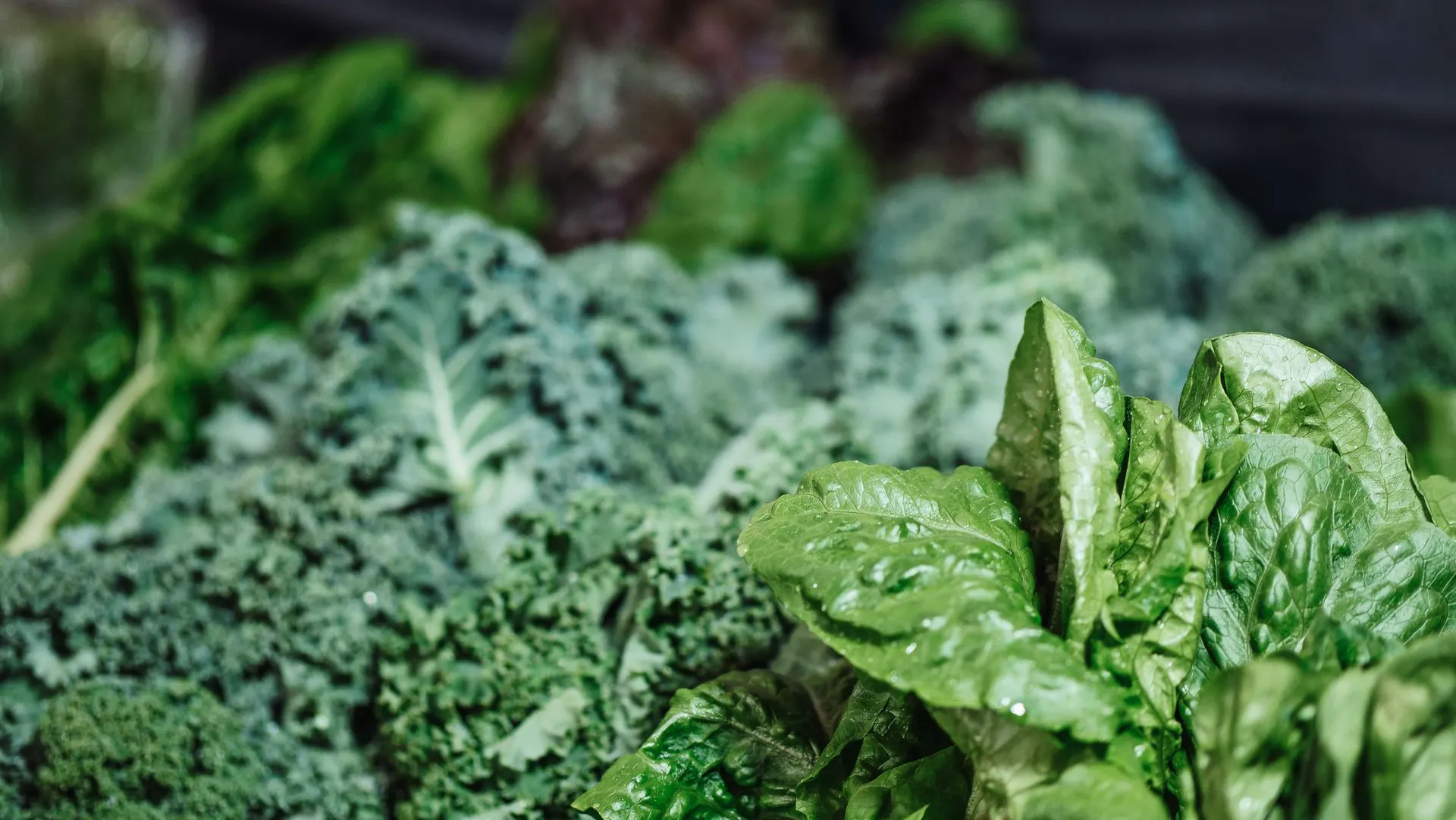
Vitamin K comes in two natural forms: K1 (phylloquinone) from green leafy vegetables and vegetable oils, and K2 (menaquinones such as MK-4 and MK-7) from fermented foods, cheese, meat and eggs, which gut bacteria also make. Both are needed for blood clotting and for proteins in bone. Adults need about 1 mcg per kilogram of body weight a day (70 mcg in Europe, 90–120 mcg in the US), and most people get enough from food. If you take warfarin, do not take vitamin K or K2 supplements unless your doctor agrees.
What vitamin K does
Vitamin K helps the liver make clotting factors such as prothrombin: without it, blood clots more slowly. It also activates osteocalcin, a protein in bone, and matrix Gla protein, which may help stop calcium building up in blood vessel walls. The body stores only small amounts of vitamin K and turns them over quickly. True deficiency in healthy adults is very rare and shows up as bleeding.
K1 and K2: what is the difference
| K1 (phylloquinone) | K2 as MK-4 | K2 as MK-7 | |
|---|---|---|---|
| Where it comes from | Green leafy vegetables (spinach, kale, broccoli), vegetable oils: the main form in the diet | Made by the body from K1; small amounts in chicken, eggs, meat | Made by bacteria: natto (fermented soybeans), cheese, and gut bacteria |
| In supplements | In multivitamins, as phytonadione | Used in Japan as an osteoporosis medicine at 45 mg a day | Microgram doses (90–100 mcg in the K2-only products listed below) |
| What studies show | Improved bone density in some trials, not in others | In Japanese trials 45 mg a day reduced fractures; in another trial bone density did not change | In one trial 180 mcg a day for 3 years improved bone strength in women after menopause |
MK-7 is cleared from the blood more slowly than K1, which is why supplements use a small once-a-day dose. An 85 g serving of natto gives about 850 mcg of MK-7, while cheese, eggs and meat give only a few micrograms. K1 is absorbed less well from green vegetables than from a tablet (from spinach, only 4–17% as much), but eating them with some fat helps.
How much vitamin K you need
The table shows adequate daily intakes from the European Food Safety Authority (EFSA) and the US NIH ODS. They differ because they were worked out in different ways.
| Age | EFSA (Europe) | NIH ODS (US) |
|---|---|---|
| 7–12 months | 10 mcg | 2.5 mcg |
| 1–3 years | 12 mcg | 30 mcg |
| 4–6 years | 20 mcg | 55 mcg (4–8 years) |
| 7–10 years | 30 mcg | 60 mcg (9–13 years) |
| 11–14 years | 45 mcg | 60 mcg (9–13 years), 75 mcg (14–18 years) |
| 15–17 years | 65 mcg | 75 mcg |
| Adults | 70 mcg | men 120 mcg, women 90 mcg |
| Pregnancy and breastfeeding | 70 mcg | 90 mcg (75 mcg under 19) |
The European values are set for K1 only, because EFSA found too little data on K2; the UK NHS also uses about 1 mcg per kilogram of body weight. One cup of raw spinach (about 145 mcg) or half a cup of boiled broccoli (about 110 mcg) already gives more than an adult's daily amount. Neither Europe nor the US has set an upper limit for vitamin K, because no harm from food or supplements has been seen in healthy people; the NHS says 1 mg (1,000 mcg) or less a day from supplements is unlikely to cause harm.
Who may be low in vitamin K
- Newborn babies: vitamin K crosses the placenta poorly and breast milk contains little, so babies are given vitamin K after birth to prevent bleeding (the American Academy of Pediatrics recommends a single injection of 0.5–1 mg).
- People with malabsorption: coeliac disease, Crohn's disease or ulcerative colitis, cystic fibrosis, short bowel syndrome, and after weight-loss (bariatric) surgery.
- People who take antibiotics for several weeks and also eat poorly.
- People who take cholestyramine or orlistat for a long time: these reduce the absorption of fat-soluble vitamins.
These people need a doctor's assessment, not a supplement picked at random.
K2 with D3: is the combination needed?
Vitamin D increases calcium absorption, and vitamin K-dependent proteins help calcium bind in bone. That is the idea behind D3+K2 products, often marketed as "sending calcium to bones, not arteries". The evidence is mixed: apart from the MK-7 trial above, other trials found no effect on bone density, and results on calcification of blood vessels are not conclusive. EFSA has accepted that vitamin K from the diet contributes to the maintenance of normal bones.
Vitamin D guidelines do not require K2. A D3+K2 product is a reasonable choice if you want both, but count the vitamin D in it (many contain 2,000 IU): see our vitamin D guide. For calcium, read our calcium D3 guide.
Warfarin and other blood thinners
Warfarin works by blocking vitamin K. Extra vitamin K, whether K1 or K2, in a tablet or in a D3+K2 combination, can weaken warfarin and raise the risk of a clot, while stopping it suddenly can make warfarin too strong. The NHS advises not to take vitamin K supplements while you are taking warfarin. The same applies to acenocoumarol and other vitamin K antagonists.
- Do not start, stop or change any product containing vitamin K without your doctor, and tell them about every vitamin and supplement you take, including multivitamins.
- You can still eat green vegetables, but keep the amount steady from week to week and talk to the doctor who checks your INR (international normalised ratio).
- If you take another blood thinner (apixaban, rivaroxaban, dabigatran) or an antiplatelet medicine, still ask your doctor before any supplement.
- Orlistat taken with warfarin can also change your INR.
Vitamin K2 at ABAPharm
The products below are dietary supplements. Check the label for the form of K2 (MK-7 or another) and the amount per capsule.
K2 on its own:
- Jarrow Formulas vitamin K2 MK-7 90 mcg, 60 capsules
- Vitamin K2 100 mcg, 30 pieces
- Vitamin K2 100 mcg, 60 capsules
D3+K2 and calcium+D3+K2 combinations (count the vitamin D):
- Detrimax D3+K2 2000 IU, 60 tablets
- OstroVit vitamin D3+K2 2000 IU, 90 tablets
- Osteo-K2 (calcium, D3 and K2), 60 tablets
When to see a doctor
Call 103 if:
- you take warfarin or another blood thinner and have heavy bleeding that does not stop, vomit blood or something like coffee grounds, pass black tarry stools, or get a severe headache, especially after a fall or a blow to the head,
- a newborn baby bleeds from the umbilical stump or the nose, or has blood in the stool,
- after a supplement your face or throat swells or breathing becomes difficult (a severe allergic reaction).
See a doctor in the next few days if:
- you bruise easily, often have nosebleeds or bleeding gums, or your periods have become unusually heavy,
- you have coeliac disease, Crohn's disease or cystic fibrosis, or have had weight-loss surgery, and want to know whether you need vitamin K,
- you take warfarin and want to start or stop any vitamin or supplement, or change your diet,
- you are pregnant or breastfeeding and thinking about a K2 supplement.
Frequently asked questions
Do I need K2 if I take vitamin D?
Most healthy people don't. Vitamin D guidelines do not require K2, and most people get enough vitamin K from food. You can choose a D3+K2 product if you want one, but it is not a must. If you take warfarin, do not take it without your doctor.
Which is better, MK-4 or MK-7?
MK-7 stays in the blood longer, so supplements use small doses in micrograms, once a day. MK-4 was studied mainly in Japan at a high medicinal dose (45 mg a day). No studies directly show that one is better than the other for healthy people.
Can I take vitamin K2 with warfarin?
Only if your doctor agrees. Vitamin K in any form weakens warfarin, and the NHS advises not to take vitamin K supplements while you take warfarin.
Can I eat greens if I take warfarin?
Yes. Keep the amount of vitamin K-rich foods (spinach, broccoli, cabbage, leafy greens) about the same from week to week, and talk to the doctor who checks your INR before big changes in your diet.
Can you overdose on vitamin K?
No harm from vitamin K in food or supplements has been reported in healthy people, so no upper limit has been set, and the NHS says 1 mg or less a day from supplements is unlikely to cause harm. The real risk is the interaction with warfarin. Synthetic vitamin K3 (menadione) is not used in supplements because it damaged liver cells in lab studies.
Sources
- NIH Office of Dietary Supplements: Vitamin K, fact sheet for health professionals
- EFSA: Dietary Reference Values for nutrients, summary report (vitamin K)
- NHS: Vitamin K
- NHS: Warfarin
Have questions? Ask a pharmacist at any ABAPharm pharmacy or write to us in the site chat.
More articles
Vitamins
Magnesium: Magne B6, citrate or glycinate, and how much to take
How much magnesium you need by age, signs of low magnesium, Magne B6 as a medicine and its dose, magnesium citrate vs glycinate vs oxide, and why kidney disease needs care.

Vitamins
Calcium with vitamin D3: who needs it, how much and which form
Who needs calcium with vitamin D3, daily amounts by age, carbonate vs citrate, how to take Calcium-D3 Nycomed, safe upper limits and which medicines to keep apart.

Vitamins
Vitamin B12 (cyanocobalamin): who needs it and how to take it
How much vitamin B12 you need by age, who is at risk (vegans, older people, metformin, PPIs), signs of deficiency, tablets vs injections, and when to see a doctor.