First Aid Kit Essentials
What every home first aid kit should contain
- Medications
- First aid
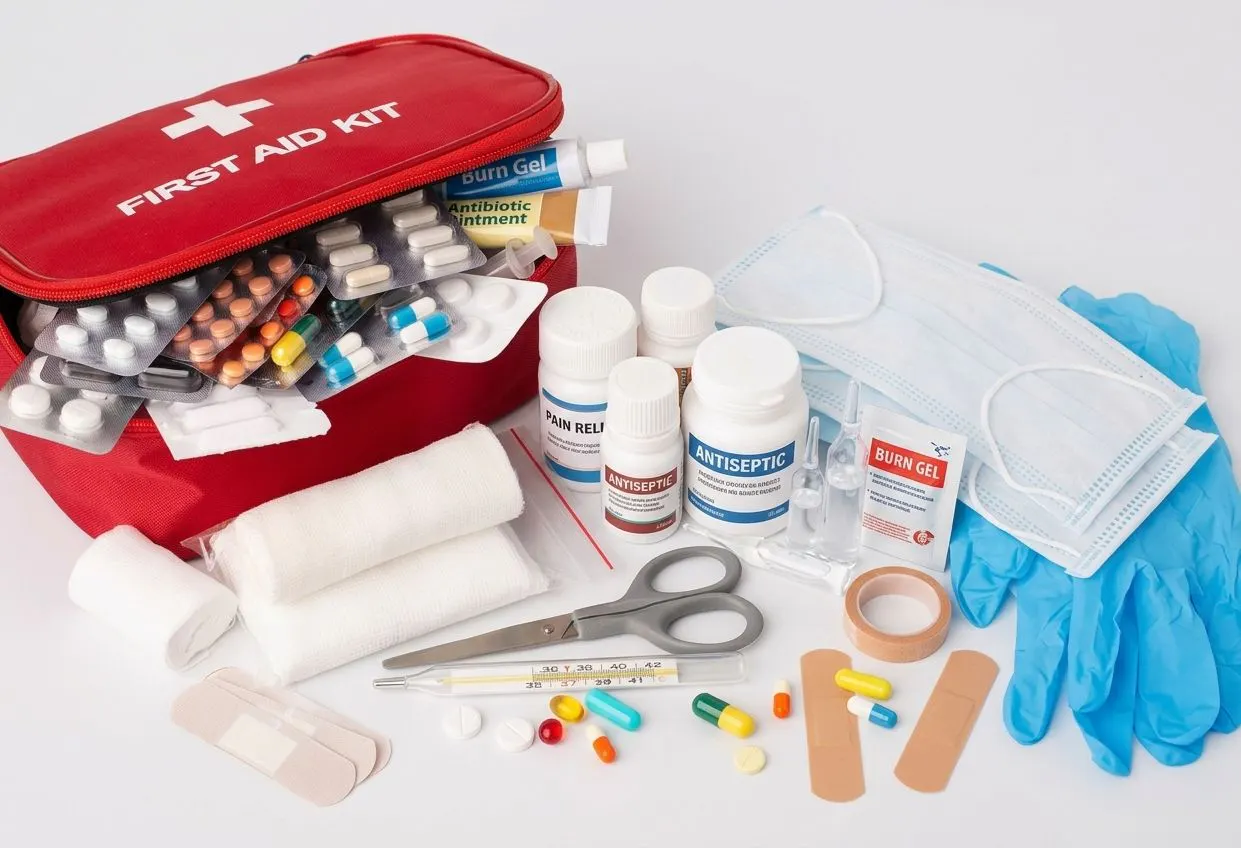
Your Home First Aid Kit
Every home should have a well-stocked first aid kit. This can be life-saving in unexpected situations.
Basic Medications
Pain relievers: Paracetamol and ibuprofen (Boleoff) for fevers and pain. Paracetamol is gentler on the stomach.
Antihistamines: Cetirizine or loratadine for seasonal allergies and insect bites.
Digestive: Activated charcoal for poisoning, smecta for diarrhea.
Bandages and Antiseptics
Sterile gauze, cotton, band-aids, elastic bandage. Hydrogen peroxide or chlorhexidine for wound disinfection. Panthenol for burns.
Tools
Thermometer (electronic is best), scissors, tweezers, safety pins. Disposable gloves for hygiene.
Additional Essentials
Electrolytes (Rehydron) for dehydration, eye drops, nasal spray with physiological solution.
Storage and Expiration
Keep the kit in a cool, dry place, away from children. Check medication expiration dates every 6 months and replace expired items.
More articles
Health and wellbeing
Probiotics with antibiotics: when they help and how to take them
When antibiotics are really needed, why they cause diarrhoea, which probiotics have the best evidence (S. boulardii, L. rhamnosus GG) and how many hours after the antibiotic to take Linex, Enterol or Enterogermina.
Child Care
Ear pain in children: what to do at night and when to see a doctor
Why a child's ear hurts, what to do right now and at night, when ear drops are safe, whether an ear infection needs antibiotics, what not to do and when to get help urgently.

Cold & Flu
Antivirals for flu: what actually works
Which flu antivirals have strong evidence and which don't: a comparison table on Tamiflu (oseltamivir), Arbidol, Ingavirin, Kagocel, Ergoferon and interferons, who should see a doctor on day one, and what helps everyone.